Renovation Planning and Management
Overview
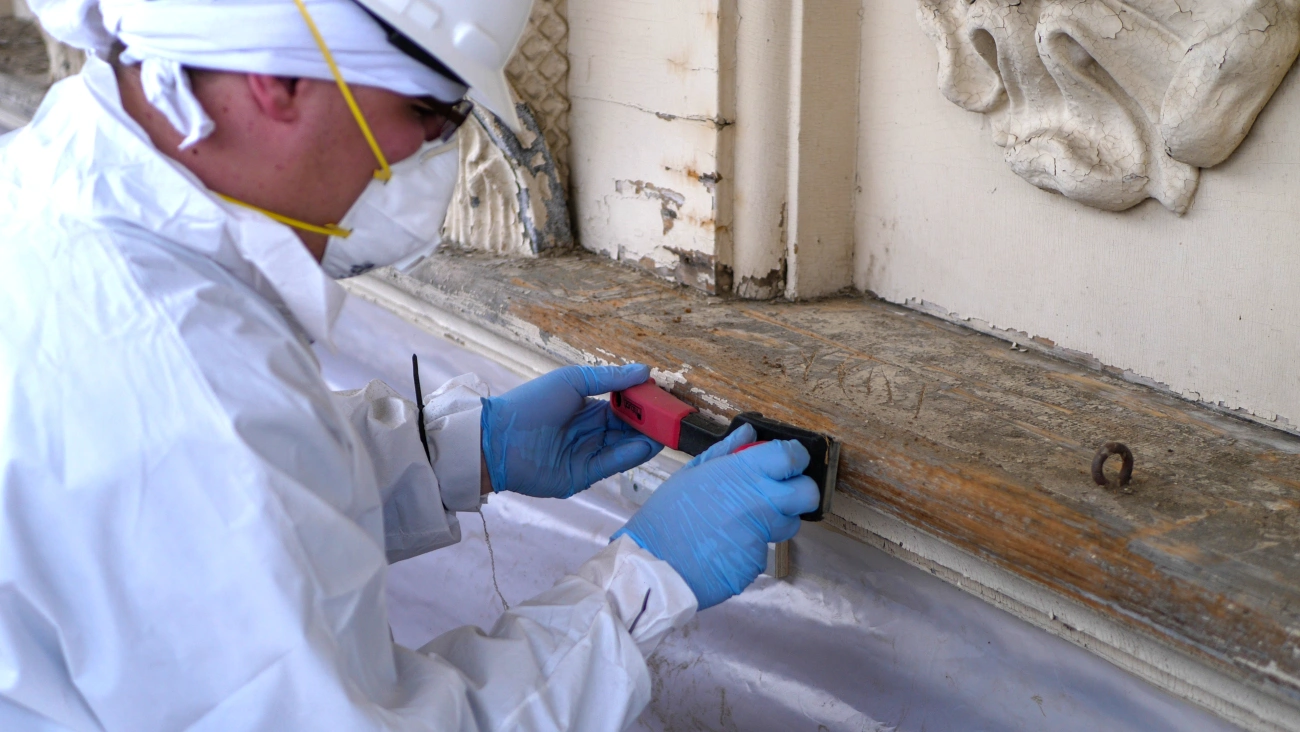
The first phase of restoration planning focuses on developing feasibility criteria to guide the identification and evaluation of early restoration techniques, as well as the extent of owner involvement. A critical component of this phase is researching the history of the proposed project or structure—an essential step regardless of the project's scale. Restoration goes beyond individual elements such as woodworking or window repair; it involves building a comprehensive understanding of the site in the context of its larger architectural or historical significance. Based on this research, distinct sections of the project are defined and prioritized according to their importance within the overall restoration plan. This process addresses several key considerations, including the specific areas to be preserved, the level of restoration required, the projected timeline, and financial implications.
Identification and Evaluation
A floor plan—along with the arrangement of space, architectural features, and applied finishes—may be individually or collectively significant in defining the historic character of a building and its original purpose. It is important to ask: What was the intended function of this room? What was the meaning or purpose behind a particular window design or wood carving? As such, the identification, retention, protection, and repair of these elements should be a top priority in any preservation project. Restoration plans should never radically alter character-defining spaces or obscure, damage, or destroy original interior features and finishes. While a building's exterior may be its most visible and public aspect, the interior often plays a more vital role in conveying its historical narrative. Therefore, careful evaluation of interior elements is essential before beginning any restoration work.
Approach and Methodology
When developing a general restoration plan, it's important to recognize that multiple approaches are often available. The key to a successful restoration lies in determining—early in the process—what elements must be preserved or conserved, what should be historically reproduced, and which areas will need to be modified or changed. In most cases, a balanced restoration approach includes all three strategies: preservation/conservation, reproduction, and modification.
But what does the term preservation mean in the context of historical elements and buildings—particularly for libraries, archives, historical societies, art guilds, individuals, and other institutions responsible for stewarding historic collections? Broadly defined, preservation encompasses two main categories of activity:
Preventative Measures – These include protecting historically significant elements through proper storage, environmental controls, and disaster preparedness to avoid future damage.
Interventive Measures – These involve addressing existing damage through treatments, replacements, or reproductions of original elements.
Together, these efforts aim to ensure that the cultural and historical value of buildings and artifacts is maintained for future generations.
Project Types
Building-Scale Projects
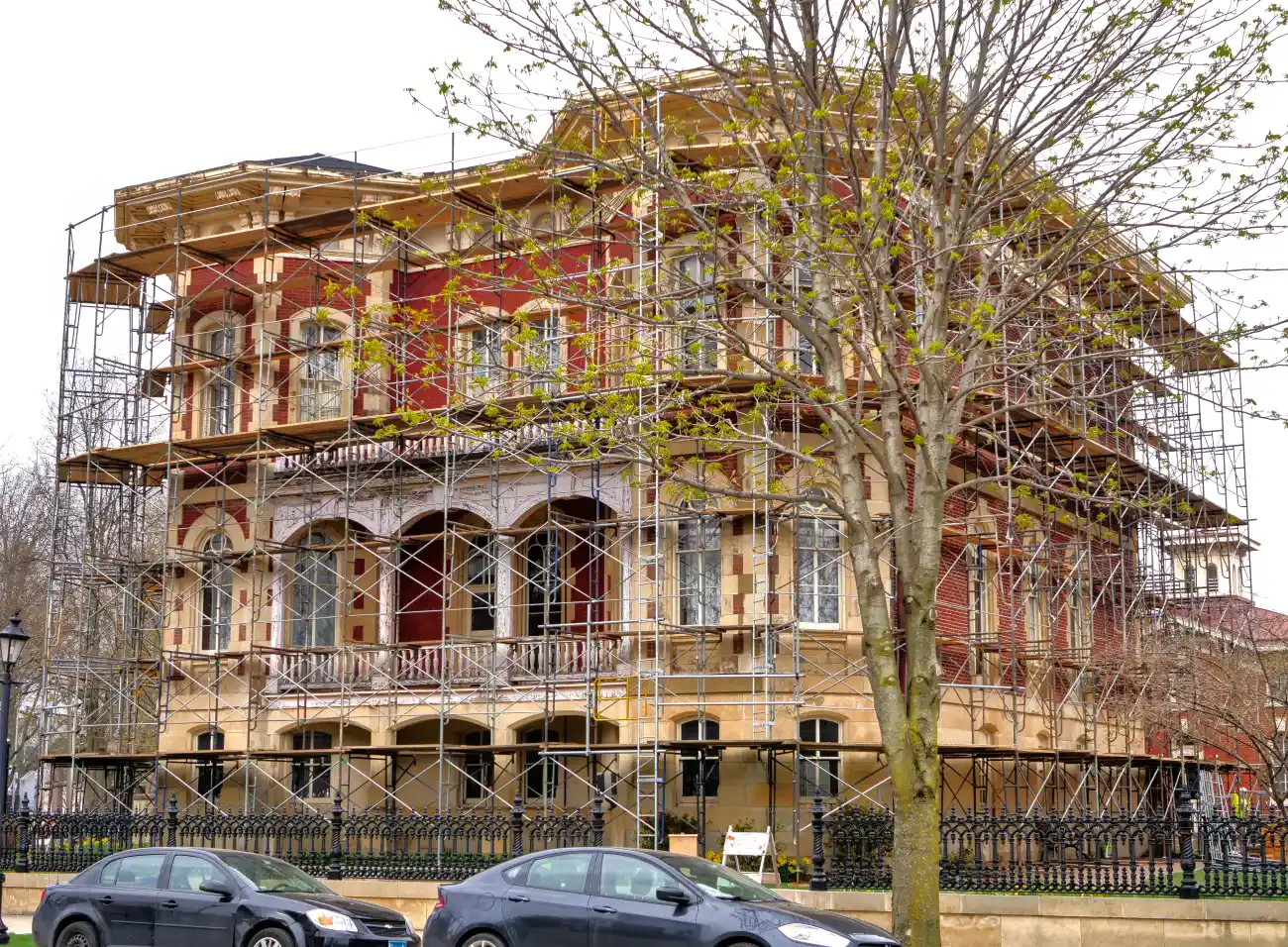
Heritage Restoration and Design Studio has developed a flexible and proven procedure for restoring historic building interiors—whether in whole or in part. This approach is adaptable to a variety of spaces, including entire buildings or specific areas such as individual rooms, public spaces, restaurants, courthouse chambers, libraries, and more. The following is a brief overview of our restoration process, which can be tailored to involve clients to the extent they desire, ensuring collaboration and transparency at every stage:
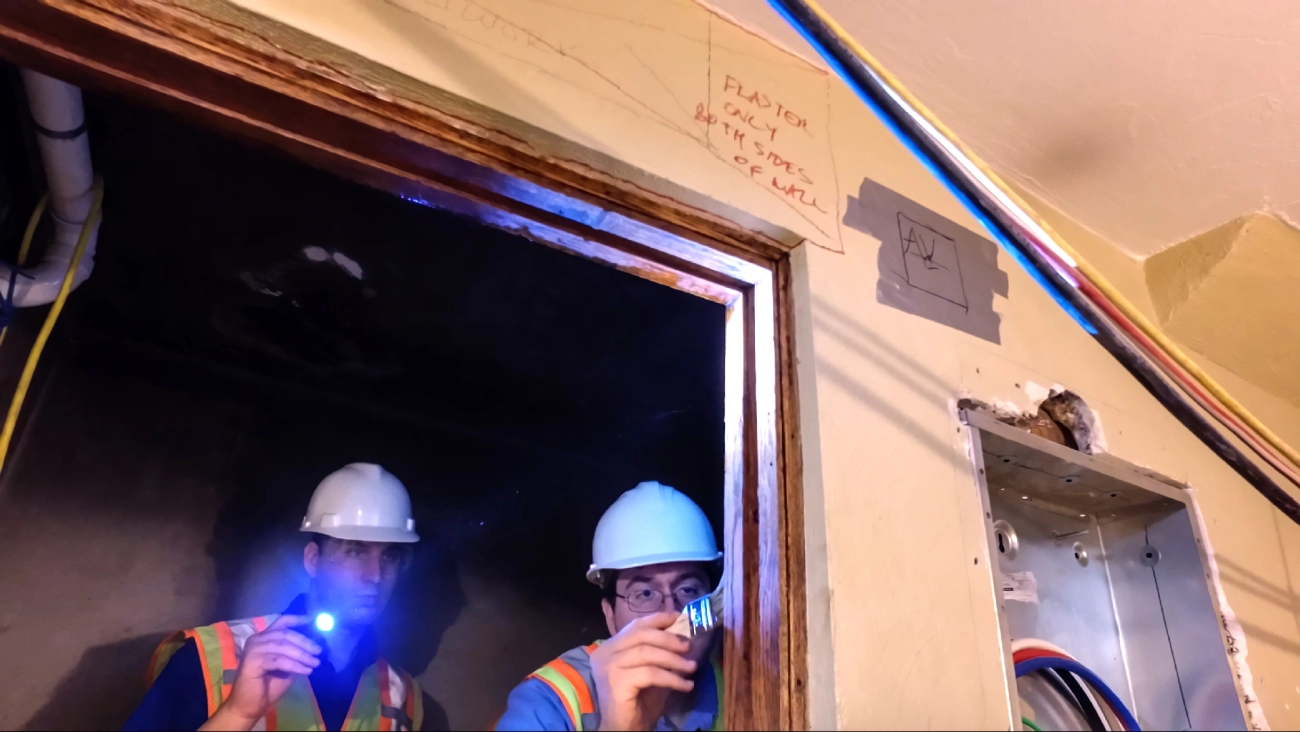
- Analyze site and conditions
- Retain and preserve floor plans
- Create print and photo records
- Apply preliminary costing
- Obtain owner approval
- Establish a priority restoration list
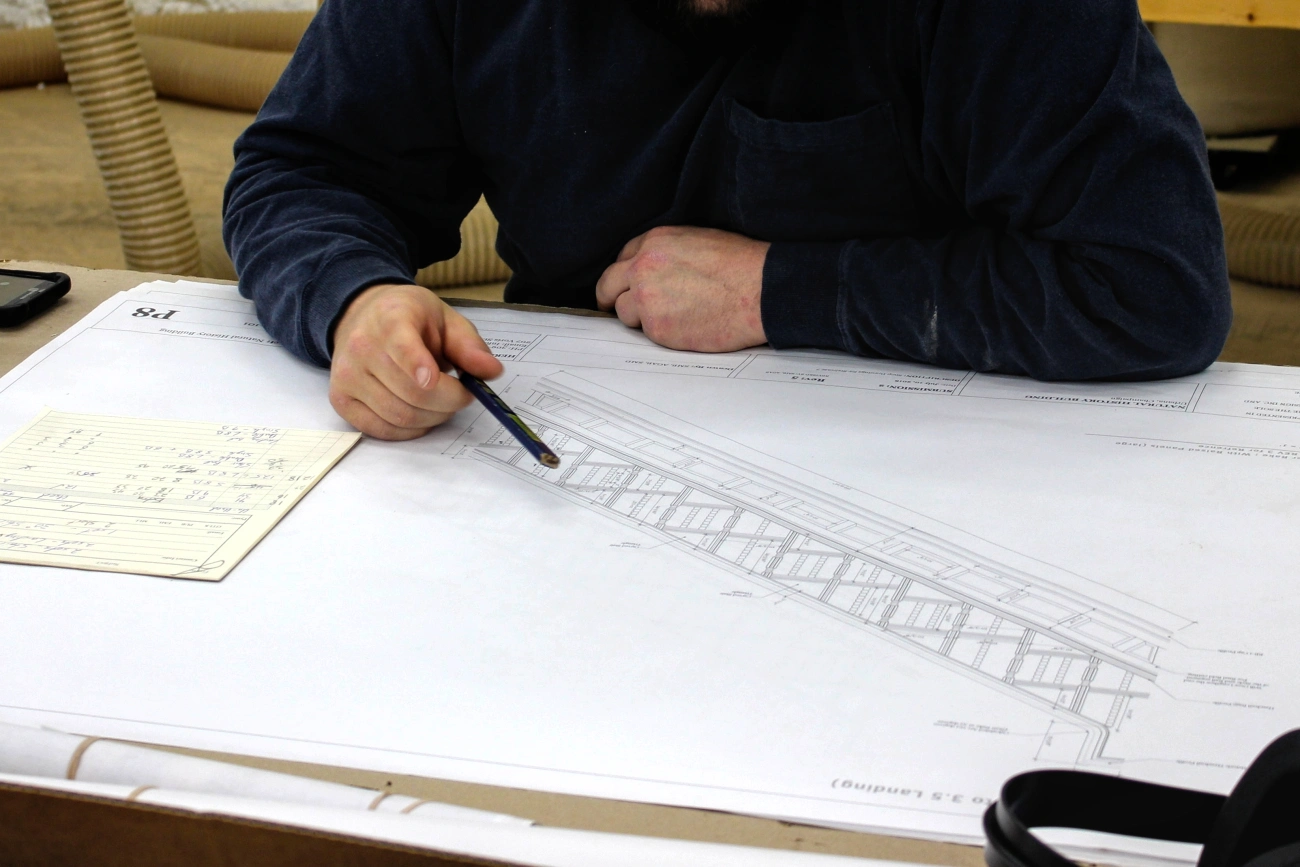
- Create design drawings and submittal documents
- Produce an element preservation/reproduction schedule
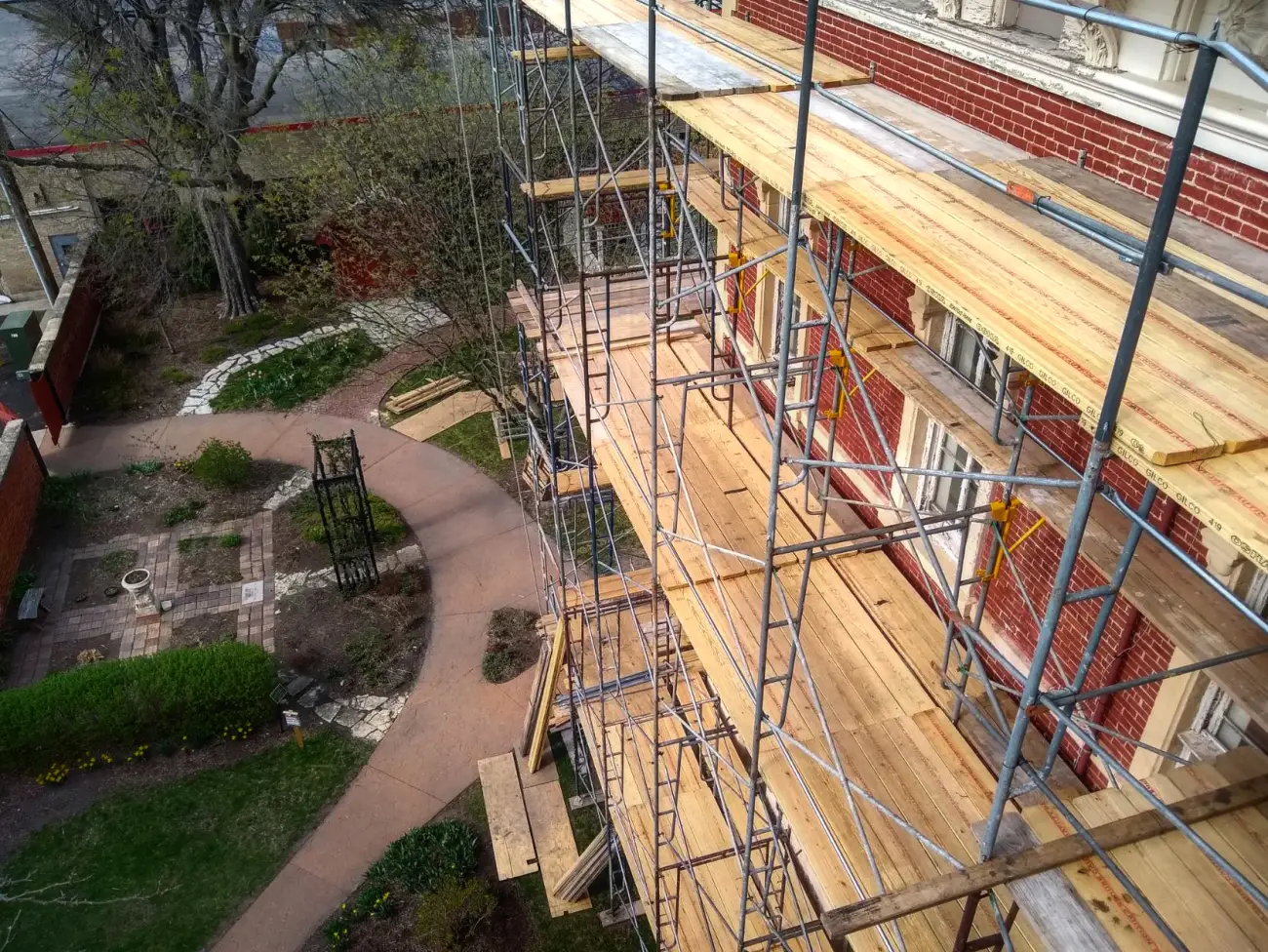
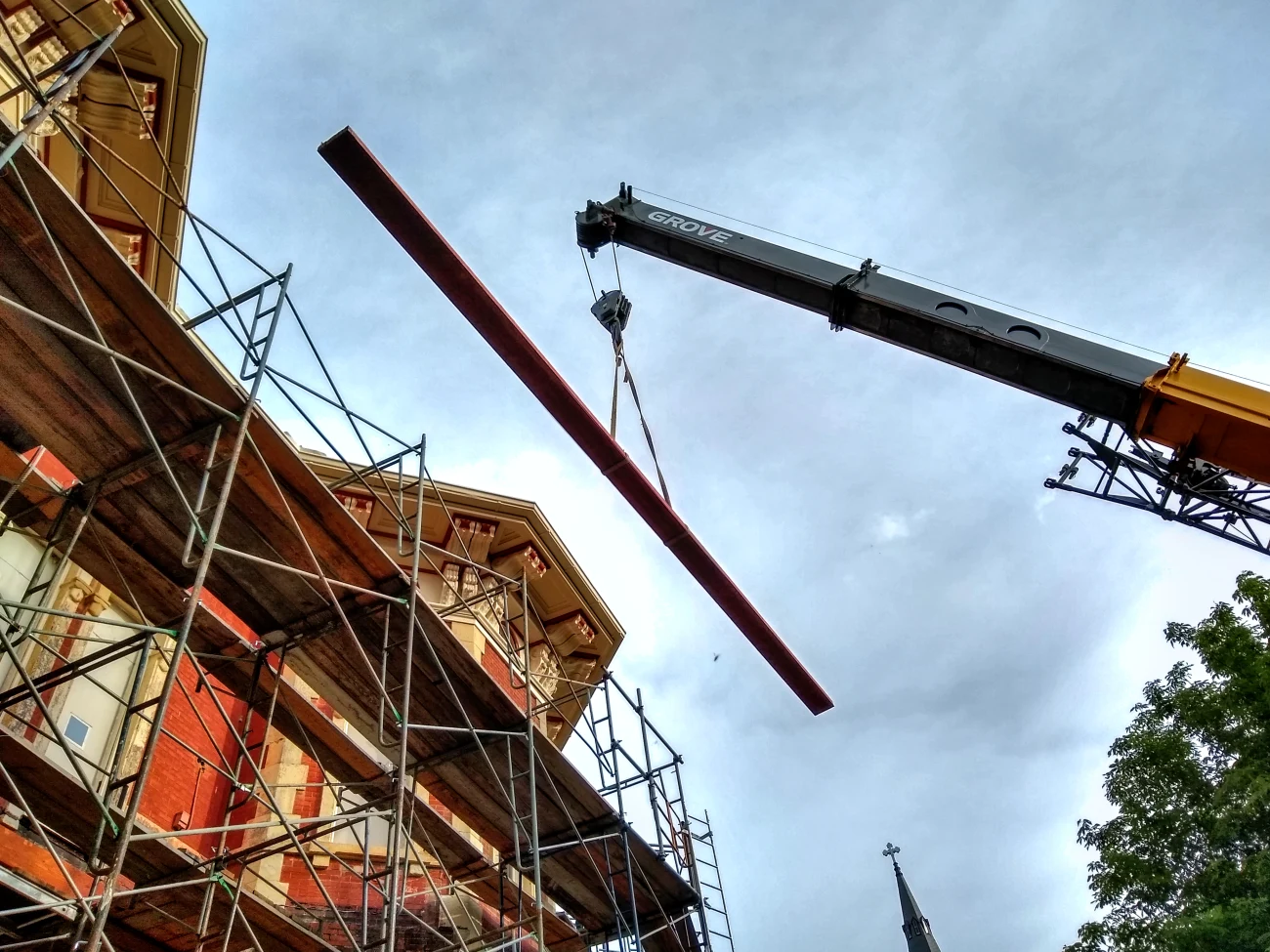
- Start all onsite preliminary work
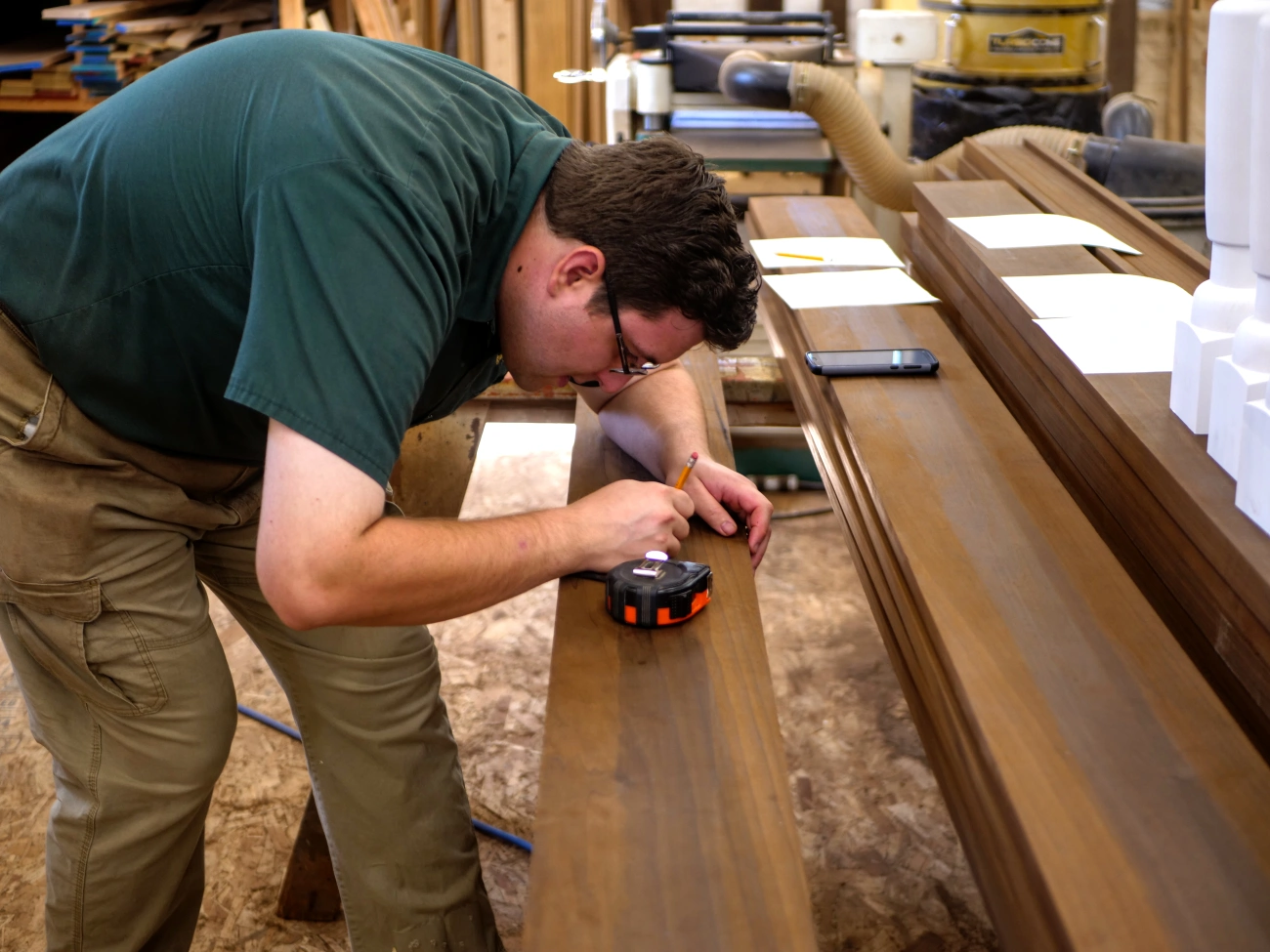
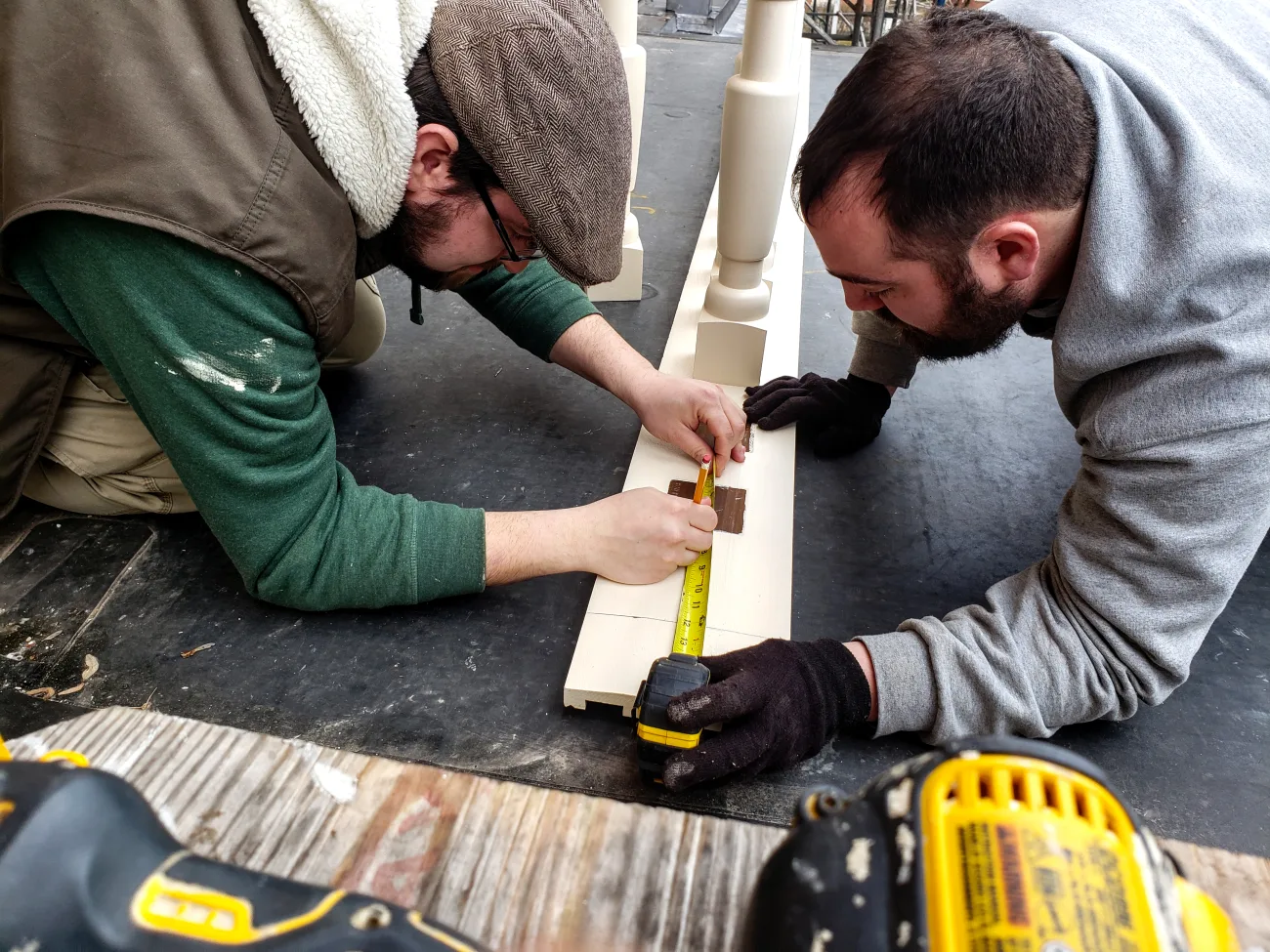
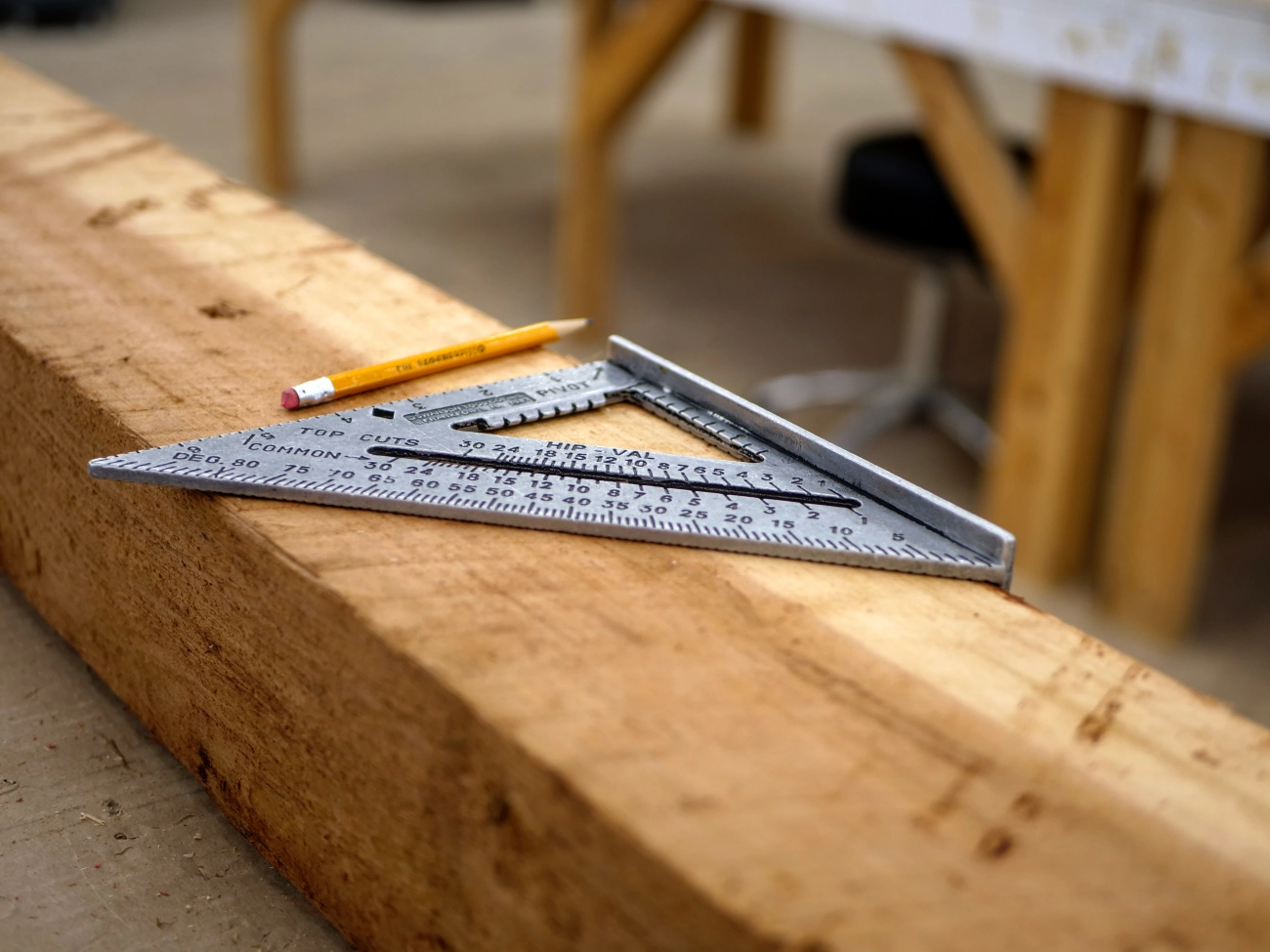
- Start all shop work
- Assign historic skilled craftsman to the project
- Apply detail finishes
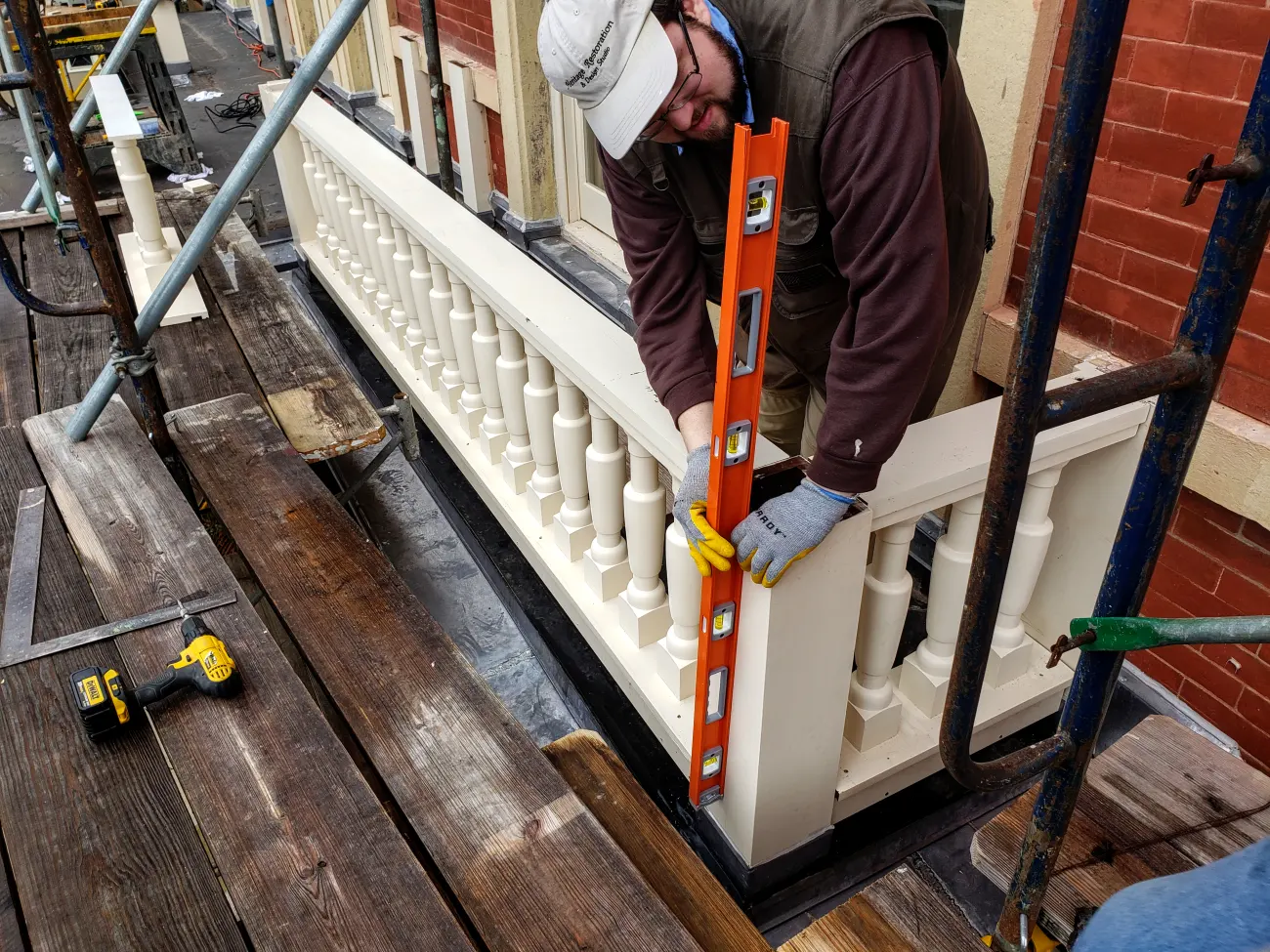
- Complete re-installation
- Ready for owner occupancy
Element-Scale Projects
Heritage Restoration also provides services at the scale of individual elements. This includes a wide range of objects such as artwork, antique windows, oil paintings, and historic furniture, serving settings such as private homes, churches, educational institutions, and legal facilities. As with our building restoration services, this process can be tailored to involve our clients as extensively as they wish, ensuring their vision and expectations are fully integrated throughout the project.
- Analysis of the current condition of the object(s)
- Provide any historical records and information
- Create print and photo records
- Apply preliminary costing
- Obtain owner approval
- Establish a priority restoration list
- Create any written or descriptive documents
- Produce an element preservation/reproduction schedule
- Start all onsite preliminary removal
- Start all shop work
- Assign historic skilled craftsman to the project
- Apply detail finishes
- Complete re-installation
- Ready for owner approval
No matter the size or scope, our mission remains the same:
“Design, Restore and Preserve for the Future.”
Gallery