Providing Repairs at the Historic Woodstock Opera House
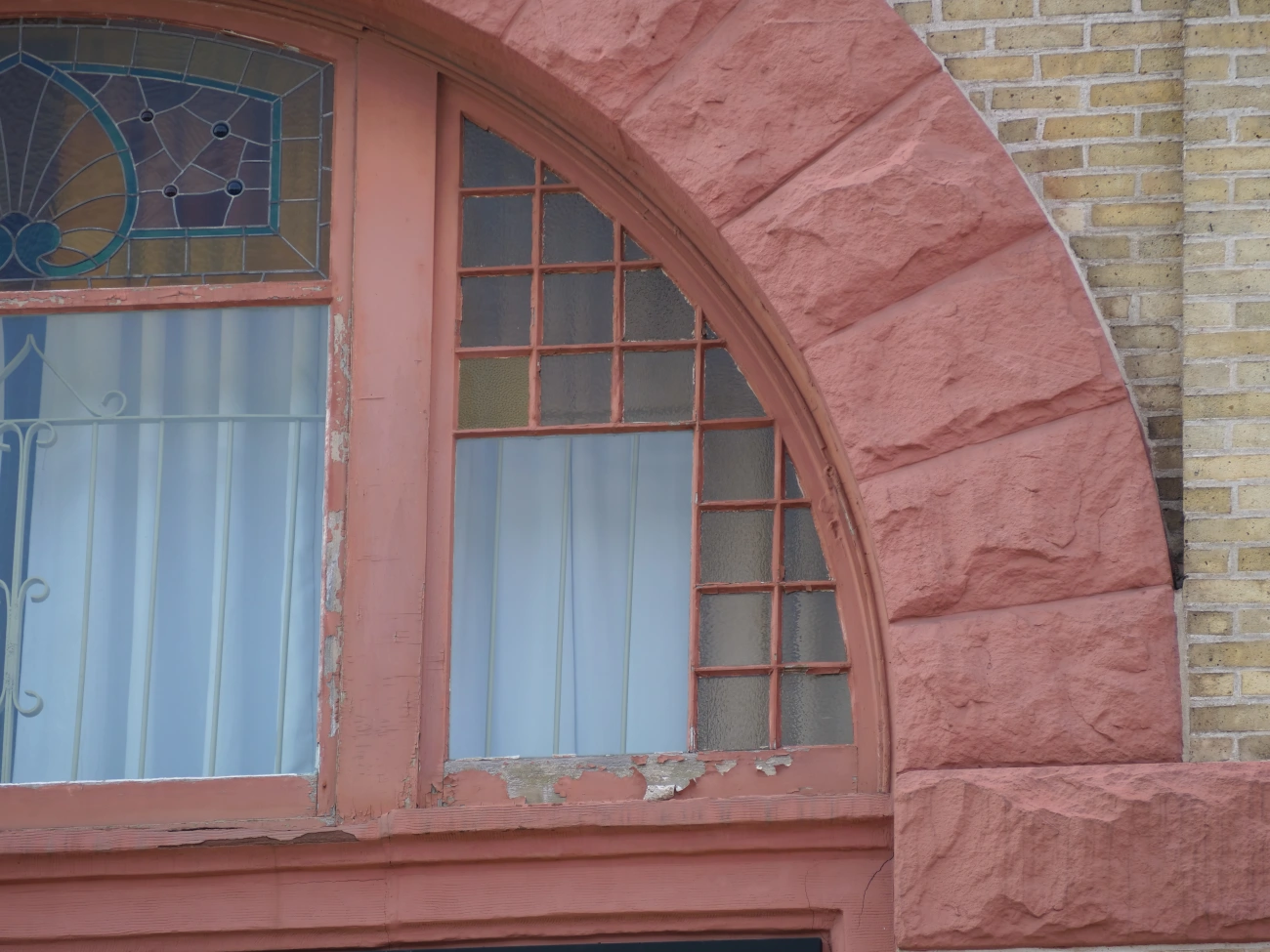
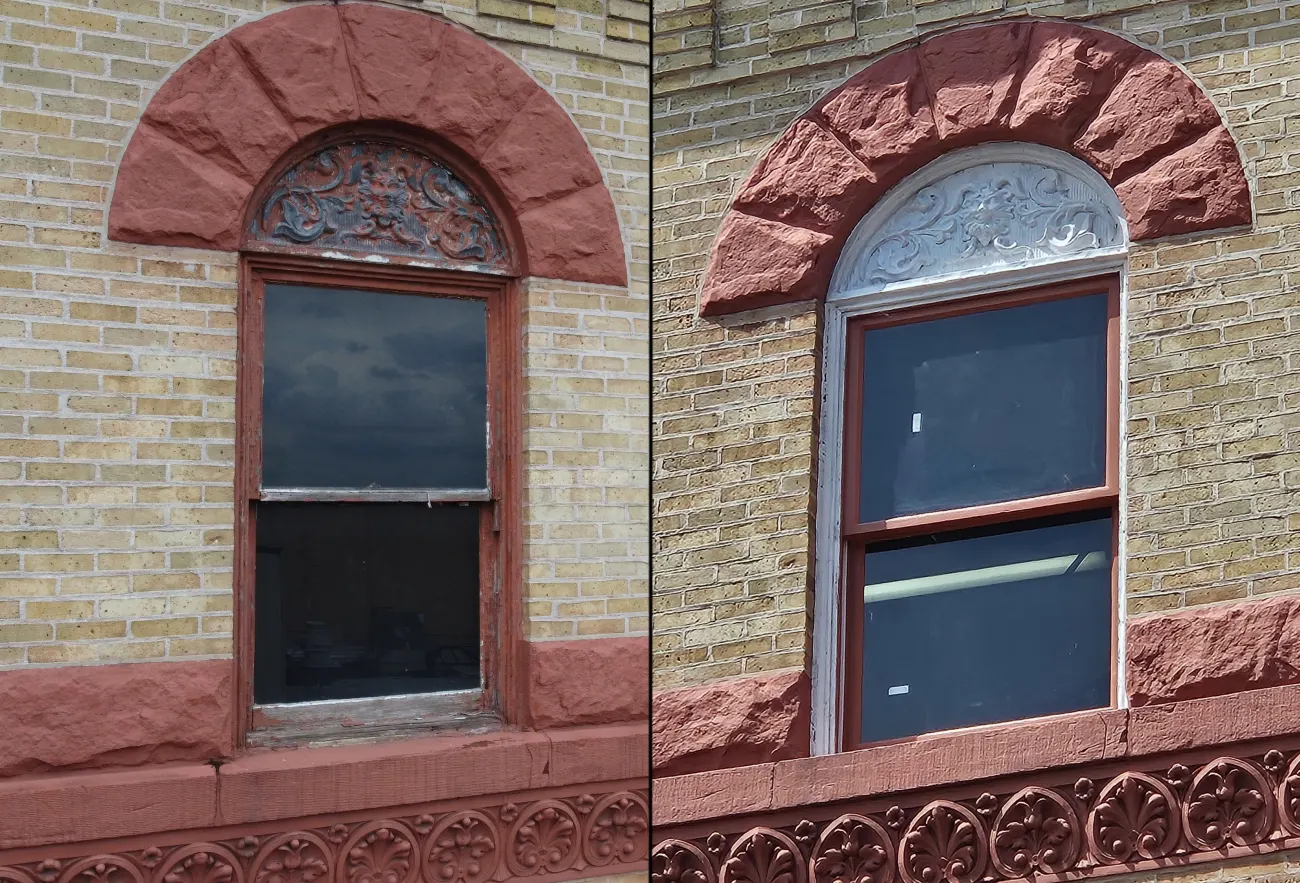
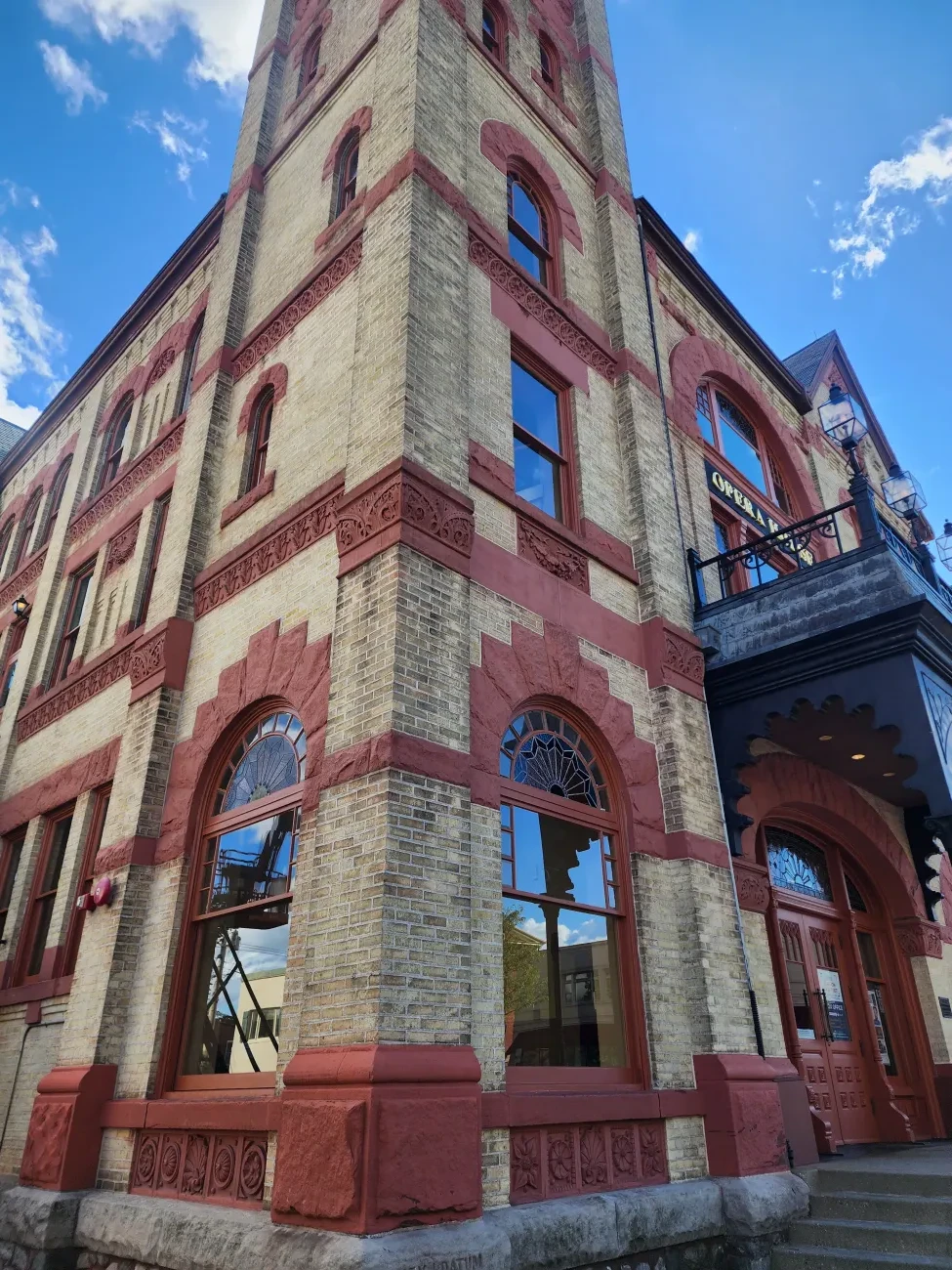
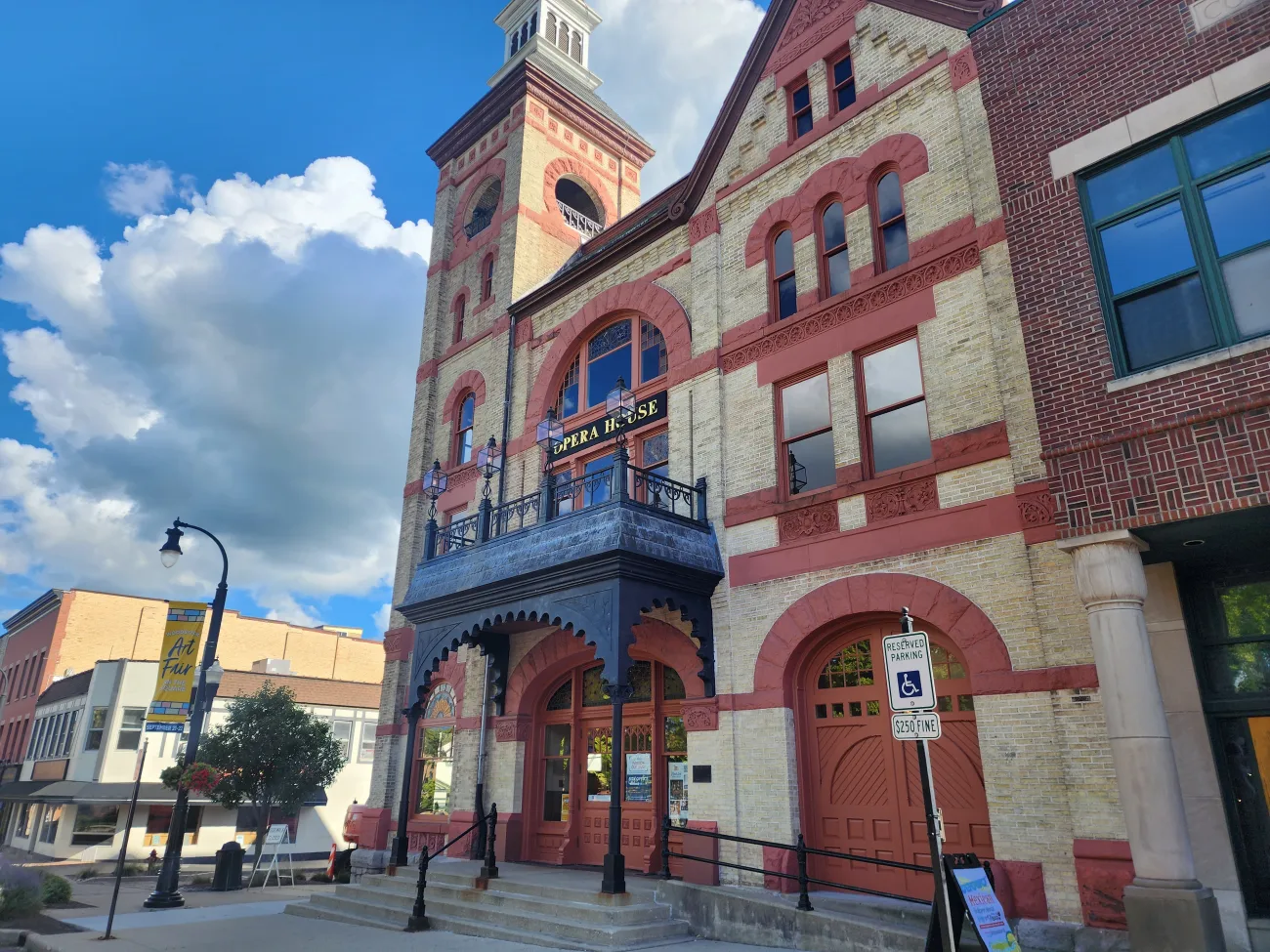
More than 40 historic windows at the Woodstock Opera House were restored by Heritage Restoration and Design. The project included off-site repairs, original glass preservation, and hardware refurbishment, all coordinated to minimize disruption to the public venue’s regular operations.
Project Details
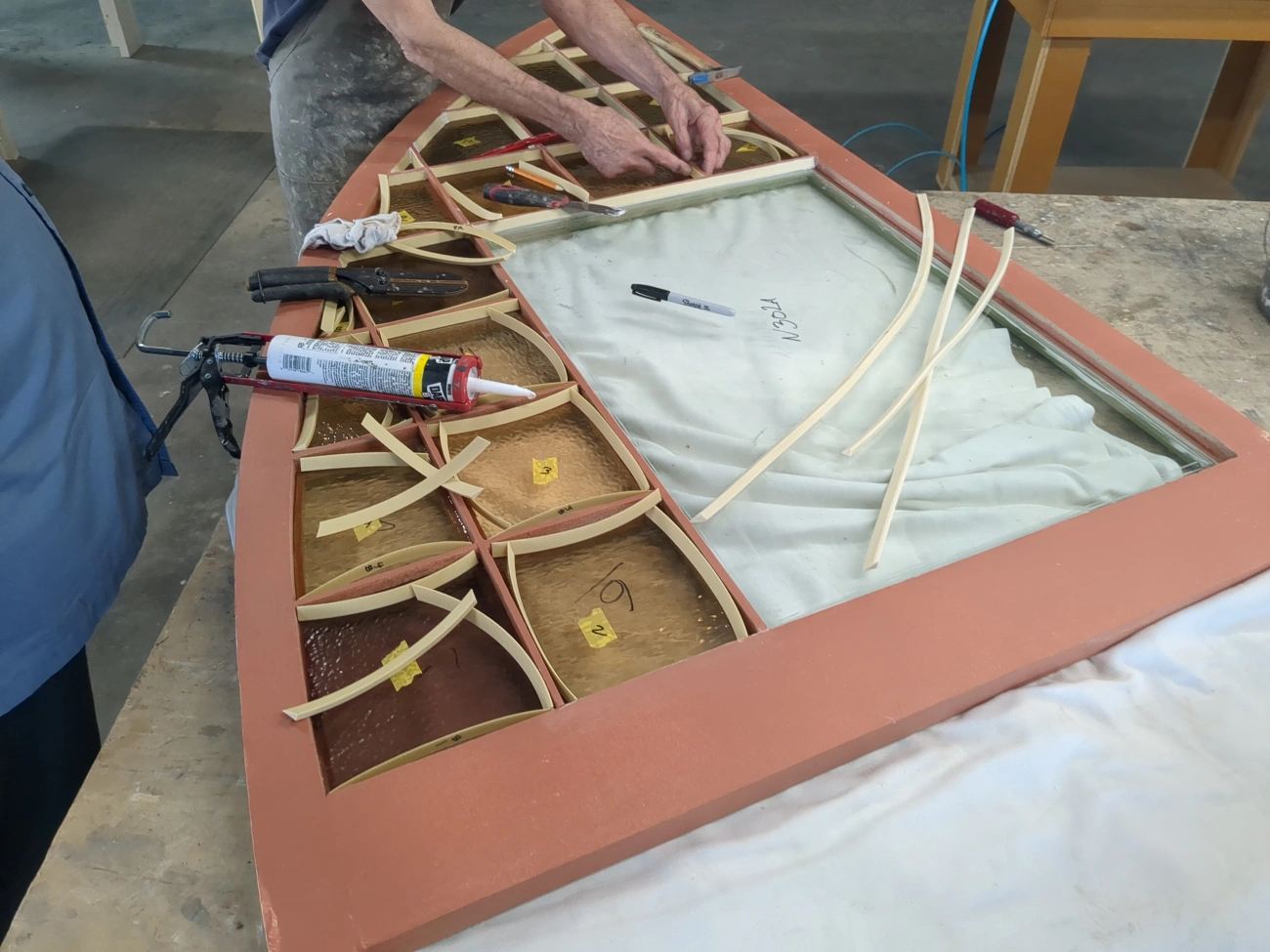
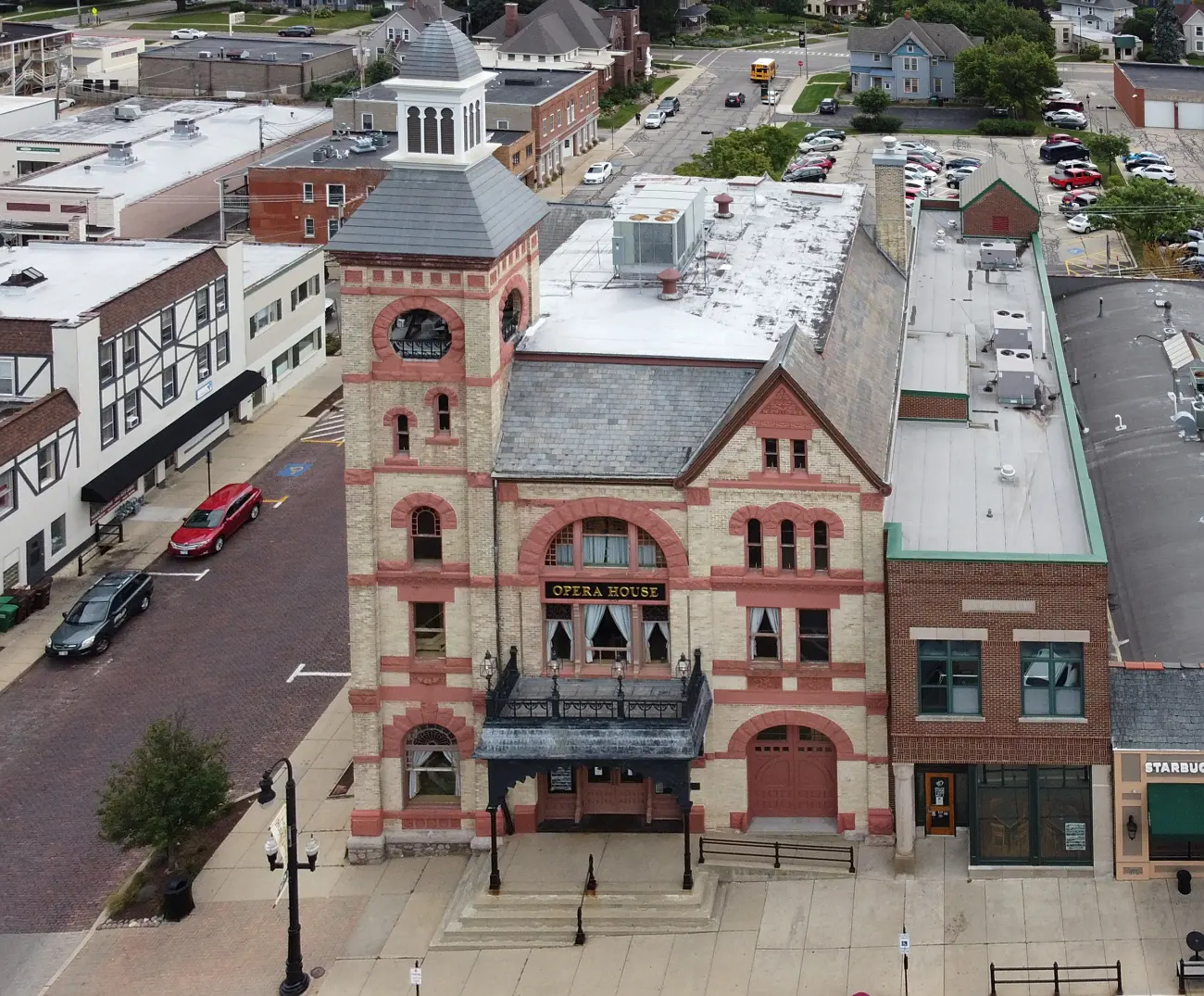
The City of Woodstock partnered with Heritage Restoration and Design Studio (HRD) to complete a large-scale restoration of over forty windows at the historic Woodstock Opera House. Following an earlier emergency restoration, HRD proceeded with a broader scope of work that involved removing additional window components—such as parting stops and brick moldings—for off-site restoration. This decision was based on findings from dismantled window frames and was aimed at achieving a more controlled and consistent result. The process did not affect interior finishes or increase costs, and jamb components were left in place as originally planned.
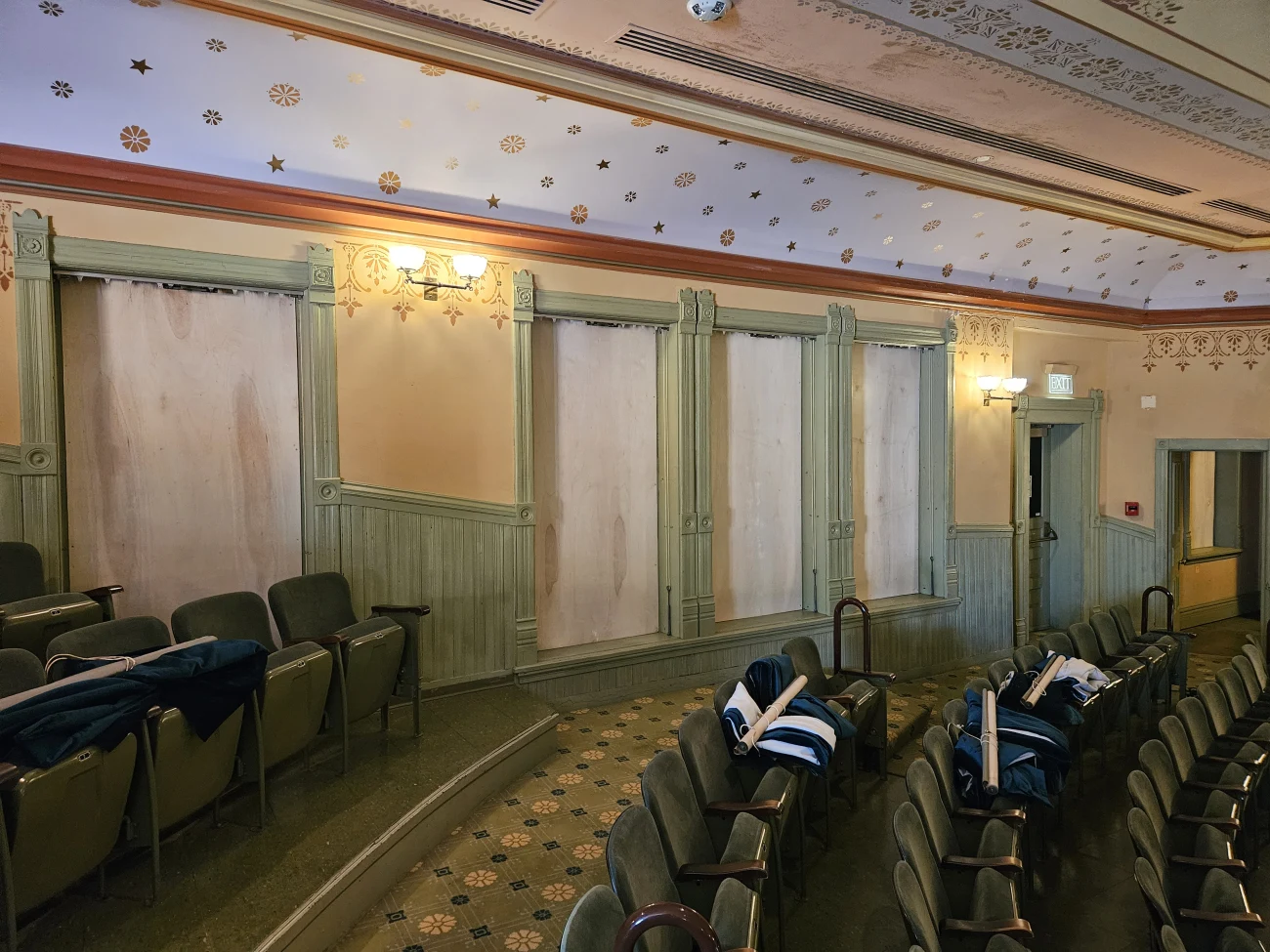
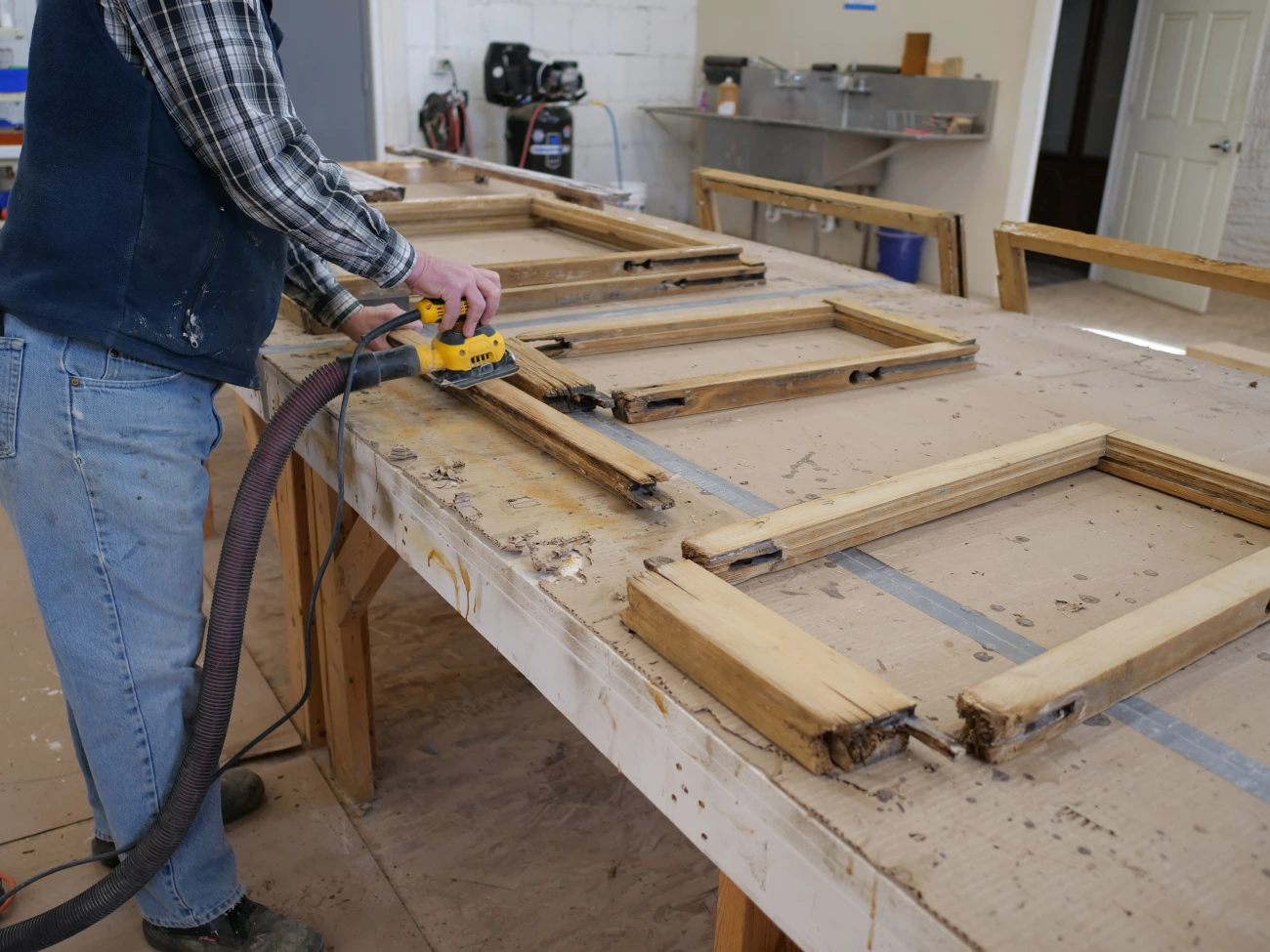
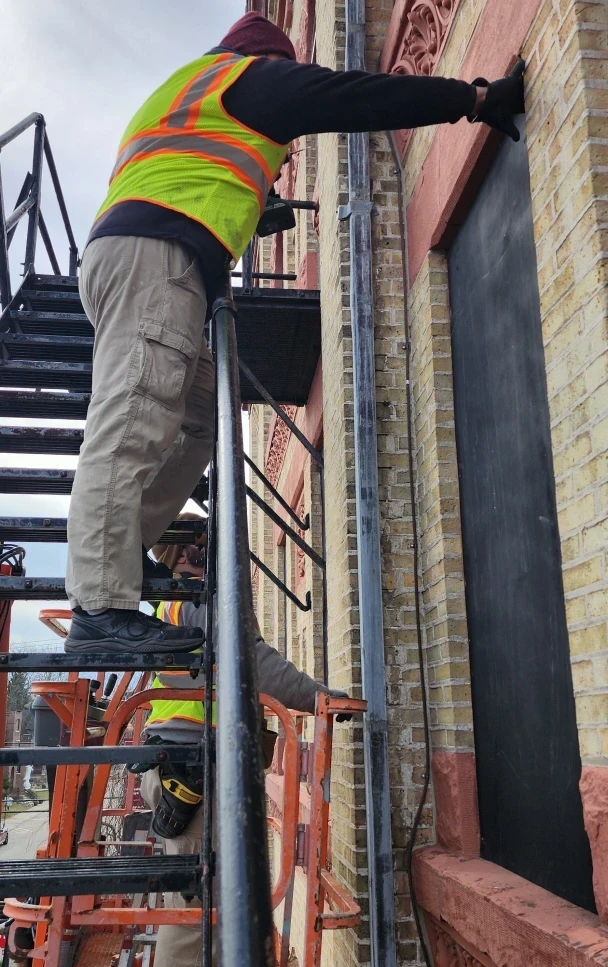
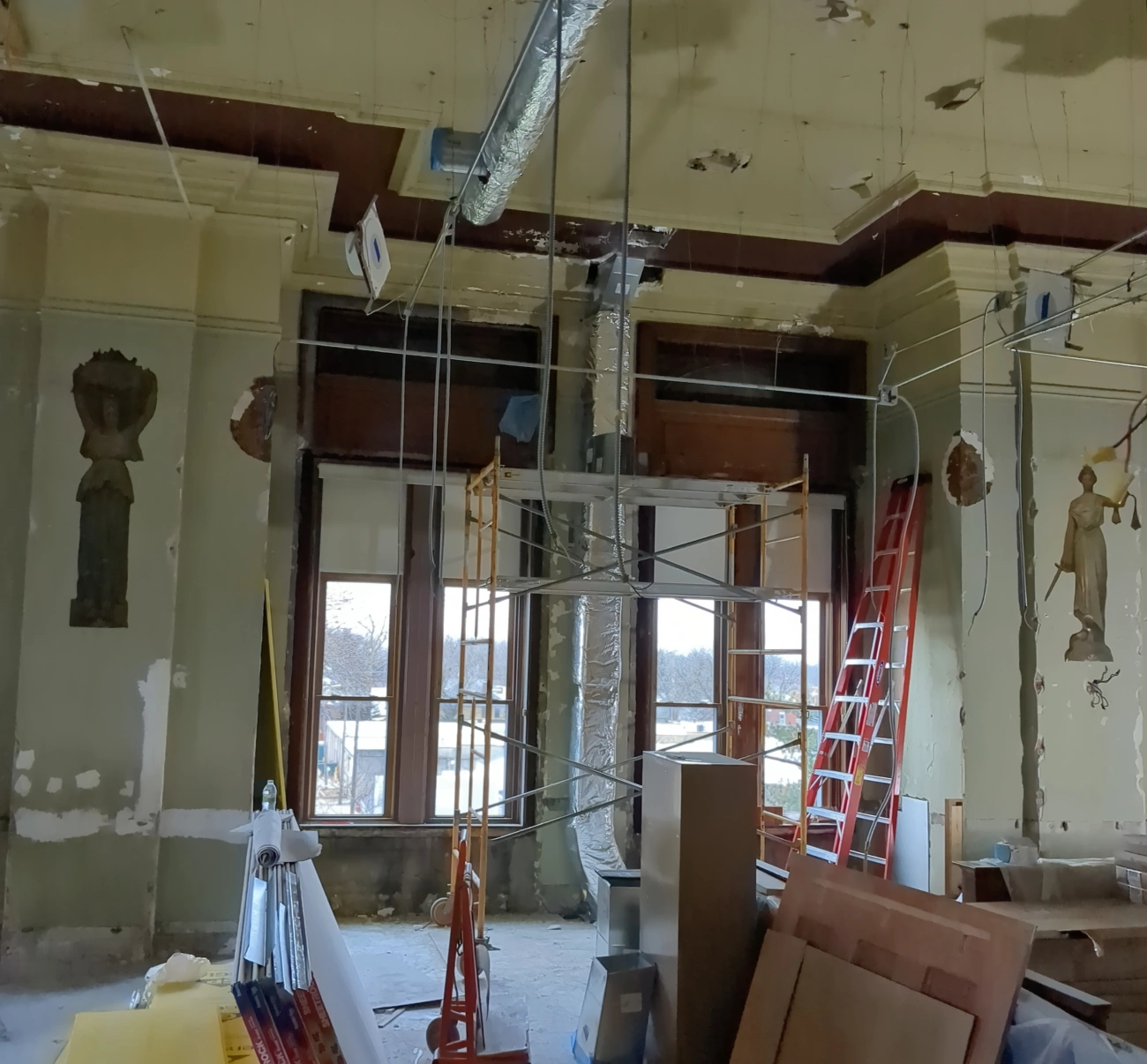
During the restoration, window sashes were removed, and openings were temporarily boarded up—some with clear sections to maintain light in key areas. Each window part was tagged and documented before transport. Historic glass was removed, cleaned, and stored, while sash frames were stripped using EPA-compliant methods. Wood repairs included stabilizing joints, replacing damaged sections with matching materials, and reassembling the components with restoration-grade adhesives. After restoration, original glass was reinstalled using flexible glazing and sealed for weather protection. Hardware such as pulleys, weights, and chains was either refurbished or replaced with parts from salvaged sources, including components collected from the historic Woodstock Courthouse.
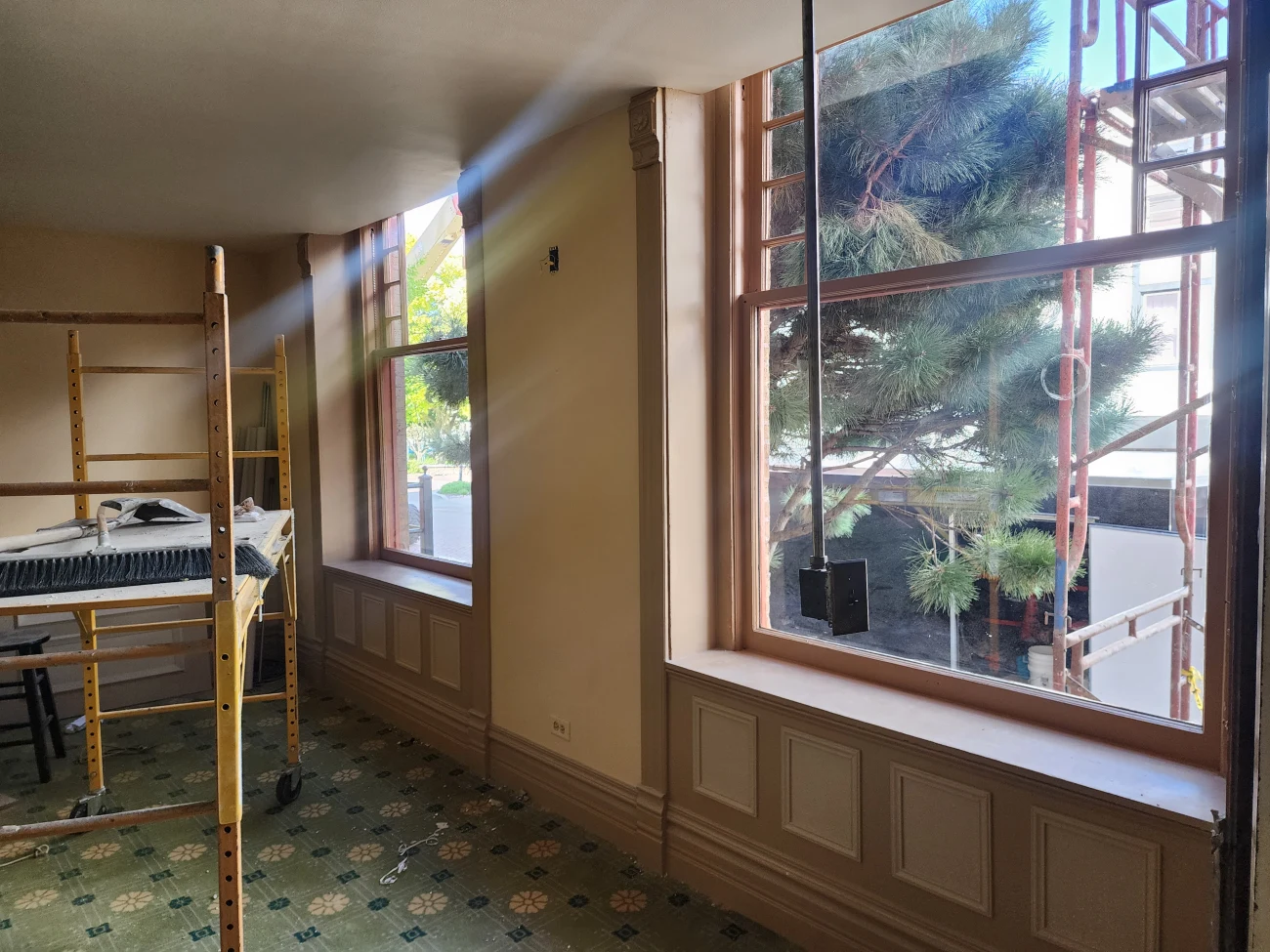
As the Opera House remained open to the public throughout the project, coordination between HRD and city staff was necessary to manage potential conflicts with events and programming. Temporary scaffolding and interior access were planned in advance, particularly for windows near performance spaces. Weekly communication and occasional on-site meetings helped mitigate disruption. Some of the restoration materials and supplies were purchased from local Woodstock vendors. The project reflected an effort to preserve the building’s historic character while improving energy efficiency and overall window functionality.
Gallery